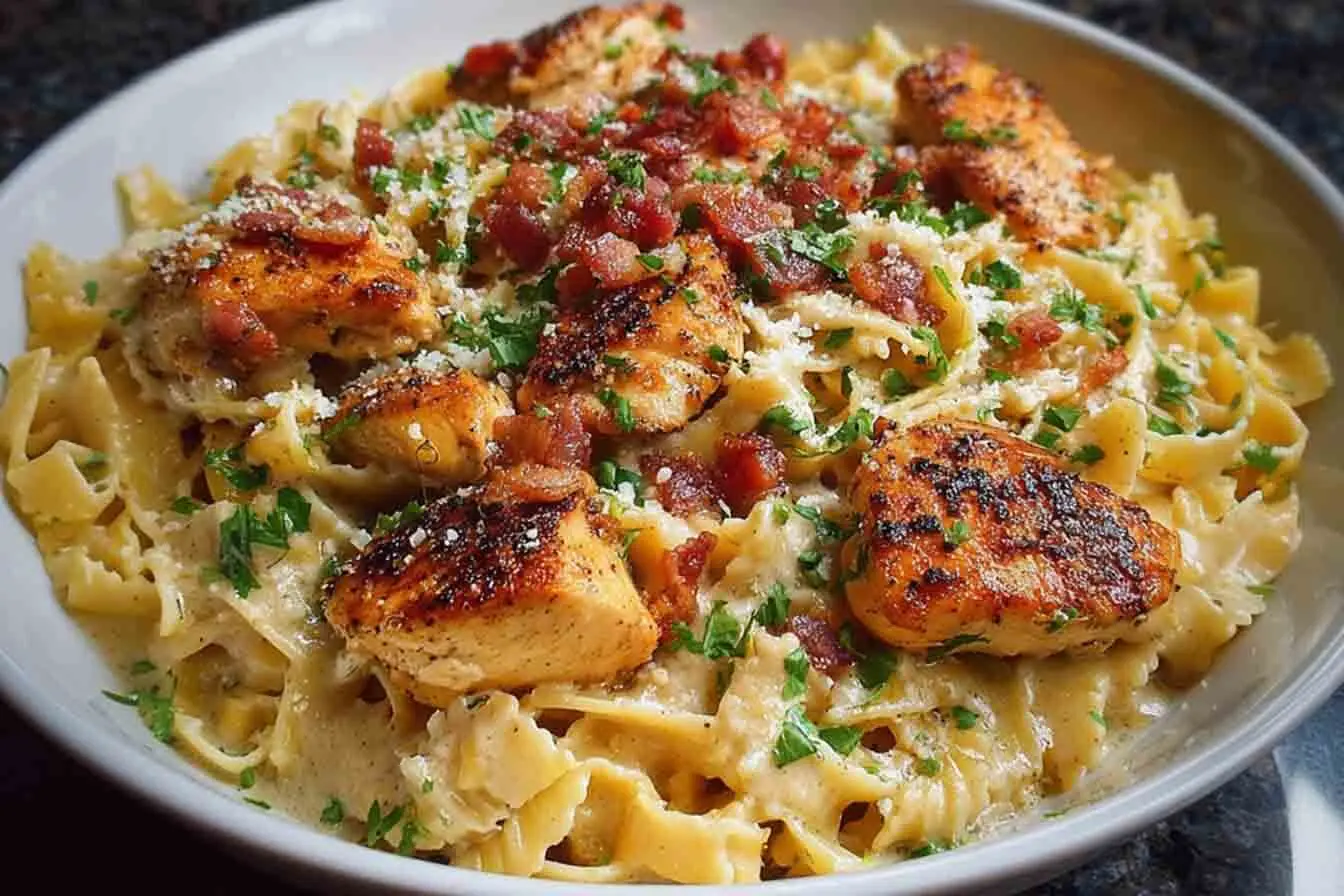
Mastering Easy Chicken Carbonara for Restaurant-Level Results
Craving a dish that’s both comforting and sophisticated, capable of transforming a weeknight dinner into a culinary experience? Look no further than chicken carbonara. This delightful adaptation of a classic Italian pasta dish brings together succulent pieces of chicken, smoky bacon (or pancetta), and a lusciously rich, silky sauce that clings to every strand of spaghetti. It’s a hearty, flavorful meal that, despite its impressive appearance, is surprisingly approachable to master in your own kitchen, promising true restaurant-level results.
While traditionalists might raise an eyebrow, the easy chicken carbonara has carved its own niche as a beloved comfort food, especially in American kitchens. It’s a testament to how classic recipes can evolve, adapting to new ingredients and tastes without losing their soul-satisfying essence. Get ready to elevate your pasta game and discover the secrets to a truly unforgettable chicken carbonara.
The Storied Past of Carbonara: From Roman Roots to Global Appeal
To truly appreciate chicken carbonara, it’s helpful to understand the fascinating history of its ancestor. The original Carbonara hails from Rome, a dish steeped in post-World War II lore. Legend has it that American soldiers, stationed in Italy, provided local cooks with their rations of bacon and eggs. These ingredients were then cleverly combined with pasta and local Pecorino Romano cheese, giving birth to the iconic, peppery creation we now know as carbonara.
The authentic Roman version is a masterclass in elegant simplicity: no cream, no garlic, and certainly no chicken. Its signature rich, creamy texture comes entirely from a magical emulsification. The heat of the freshly cooked pasta, combined with the reserved starchy pasta water, melts and thickens a mixture of eggs (often just yolks), grated Pecorino Romano, and copious amounts of freshly ground black pepper. This process creates a glossy, velvety sauce that is incredibly light yet deeply flavorful.
However, as the fame of carbonara spread beyond Italy's borders, cooks worldwide began to personalize it, adapting the ingredients and techniques to local palates and available produce. This evolution paved the way for modern interpretations, including the beloved chicken carbonara. For a deeper dive into this delicious transformation, explore Chicken Carbonara: A Creamy, Hearty Twist on the Classic.
What Makes Chicken Carbonara a Modern Classic?
Chicken carbonara stands out as a unique fusion, blending the rustic charm of Italian pasta dishes with the hearty appeal of American comfort food. While it might not adhere to the strict definitions of an "authentic" Italian carbonara, its widespread popularity is undeniable, and for good reason: it simply tastes amazing.
The most significant distinction, as the name suggests, is the inclusion of tender, golden-browned pieces of chicken. Typically, boneless, skinless chicken breast or thigh are cut into bite-sized chunks and cooked until perfectly juicy, adding a substantial protein element that transforms the dish into a complete and satisfying meal. Instead of guanciale, the traditional cured pork cheek, most chicken carbonara recipes opt for readily available and equally delicious crispy bacon or pancetta. These provide that essential smoky, savory base that forms the backbone of the sauce.
Another common deviation in this modern classic is the introduction of a splash of cream into the egg and cheese mixture. While purists might gasp, this addition provides an extra layer of richness and a more forgiving, velvety texture to the sauce, making it incredibly appealing to many palates. This subtle change makes the dish even more indulgent and easier for home cooks to achieve a consistently smooth, un-scrambled sauce. The versatility of easy chicken carbonara also allows for personal touches, such as a hint of garlic, fresh herbs like parsley or basil, or even a pinch of red pepper flakes for a subtle kick. To understand more about this comforting adaptation, read Chicken Carbonara: An American Spin on a Roman Classic.
Mastering the Silky Sauce: Secrets to Restaurant-Quality Chicken Carbonara
The heart of any great carbonara, including our modern chicken carbonara, lies in its sauce. Achieving that glossy, rich, and perfectly coated pasta requires attention to detail and a few key techniques. Here’s how to create a creamy chicken carbonara that tastes like it came straight from a gourmet kitchen:
Essential Ingredients for Success:
- Chicken: Use boneless, skinless chicken breast or thigh, cut into even, bite-sized pieces for consistent cooking.
- Pancetta or Bacon: High-quality, thick-cut bacon or pancetta is crucial for flavor. Dice it evenly so it crisps up beautifully.
- Pasta: Spaghetti is traditional, but bucatini (thicker, hollow), fettuccine, or even penne work wonderfully. Cook it al dente – slightly firm to the bite.
- Eggs: For the ideal balance of richness and emulsifying power, use a mix of whole eggs and extra yolks. Room temperature eggs blend more smoothly.
- Cheese: A combination of finely grated Pecorino Romano (for its sharp, salty bite) and Parmigiano-Reggiano (for a nutty, milder flavor) is ideal. Always grate your own cheese; pre-grated varieties often contain anti-caking agents that hinder a smooth sauce.
- Heavy Cream (Optional but Recommended for Chicken Carbonara): A small amount adds insurance against scrambling and contributes to that desired rich, velvety texture.
- Black Pepper: Freshly cracked black pepper is non-negotiable. It adds a crucial aromatic warmth and a slight bite.
- Pasta Water: This starchy, salty liquid is your secret weapon. It’s essential for emulsifying the sauce and creating that luxurious cling.
Step-by-Step Method for a Flawless Finish:
- Prep Your Proteins: In a large, heavy-bottomed frying pan or Dutch oven, cook the diced pancetta or bacon over medium heat until it’s beautifully crisp and much of its fat has rendered. Remove the crispy pork with a slotted spoon and set aside, but leave the rendered fat in the pan. Add the chicken pieces to the hot fat and cook until golden brown and cooked through. Remove the chicken and set it aside with the pork.
- Boil the Pasta: Bring a large pot of heavily salted water to a rolling boil. Add your chosen pasta and cook according to package directions until it’s al dente. Crucially, before draining, reserve at least 1-2 cups of the starchy pasta water.
- Whip Up the Sauce Base: While the pasta cooks, prepare your egg mixture. In a large bowl (large enough to eventually hold all the pasta), whisk together the whole eggs, extra yolks, grated cheeses, heavy cream (if using), and a generous amount of freshly cracked black pepper. Set aside.
- The Grand Emulsification (The Most Important Step!): This is where the magic happens.
- Drain the pasta and immediately transfer it to the pan with the residual chicken/pancetta fat (off the heat or on very low heat).
- Add the cooked chicken and crispy pancetta/bacon back to the pan with the pasta.
- Pour the egg and cheese mixture over the hot pasta.
- Work quickly and toss continuously! Use tongs to mix everything vigorously. The residual heat from the pasta and pan will gently cook the eggs, creating a thick, glossy sauce.
- Gradually add the reserved hot pasta water, a tablespoon at a time, continuing to toss. The starch in the water will help emulsify the sauce, preventing the eggs from scrambling and creating that signature creamy consistency. Add just enough until the sauce beautifully coats the pasta without being watery.
- Season and Serve: Taste and adjust seasoning. The bacon/pancetta and cheese contribute a lot of salt, so you may not need much more. Serve immediately, garnished with extra grated cheese and fresh black pepper.
Chef's Tips for Restaurant-Level Results:
- Temper Your Eggs: Adding a bit of hot pasta water to your egg mixture *before* combining it with the pasta can help temper the eggs, reducing the risk of scrambling.
- Low Heat is Key: When combining the sauce, ensure your pan is off the heat or on the lowest possible setting. High heat is the enemy of a silky carbonara sauce.
- Don't Overcrowd the Pan: Cook chicken and bacon in batches if necessary to ensure even browning and crisping.
- Fresh Ingredients Matter: Good quality eggs, cheese, and cured pork make a noticeable difference in flavor.
- Serve Immediately: Carbonara is best enjoyed moments after it's made, when the sauce is at its freshest and creamiest.
Common Pitfalls and How to Avoid Them
Even with the best intentions, a few missteps can derail your carbonara. Here’s how to prevent them:
- Scrambled Eggs: The most common error. This happens when the egg mixture is exposed to too much direct heat. Always combine the sauce off the heat or on very low heat, and toss continuously.
- Dry Sauce: If your sauce is too dry, it likely needs more pasta water. Add it gradually, continuing to toss, until you reach the desired consistency. Ensure your cheese is finely grated so it melts smoothly.
- Bland Flavor: Don't skimp on the black pepper! Also, ensure your bacon/pancetta is savory enough, and your Pecorino Romano is flavorful. A dash of salt can be added at the end if needed.
- Overcooked Pasta: Mushy pasta won't hold the sauce well. Always cook to al dente, as it will continue to cook slightly when tossed with the hot sauce.
Mastering easy chicken carbonara isn't just about following a recipe; it's about understanding the delicate balance of heat, ingredients, and technique. By paying attention to these details, you'll consistently create a dish that boasts a restaurant-quality finish, satisfying your cravings for creamy, savory goodness every time.
Conclusion
From its humble Roman origins to its modern, heartier iteration, chicken carbonara stands as a testament to the enduring appeal of pasta. It’s a dish that beautifully marries tradition with contemporary tastes, offering a satisfying and flavorful meal that caters to comfort food cravings while still feeling incredibly special. By embracing a few simple techniques and understanding the role of each ingredient, you can easily achieve a rich, creamy, and undeniably delicious chicken carbonara that will impress family and friends alike. So, roll up your sleeves, gather your ingredients, and prepare to serve up a true masterpiece right from your own kitchen – a testament to the fact that restaurant-level results are well within your reach.
